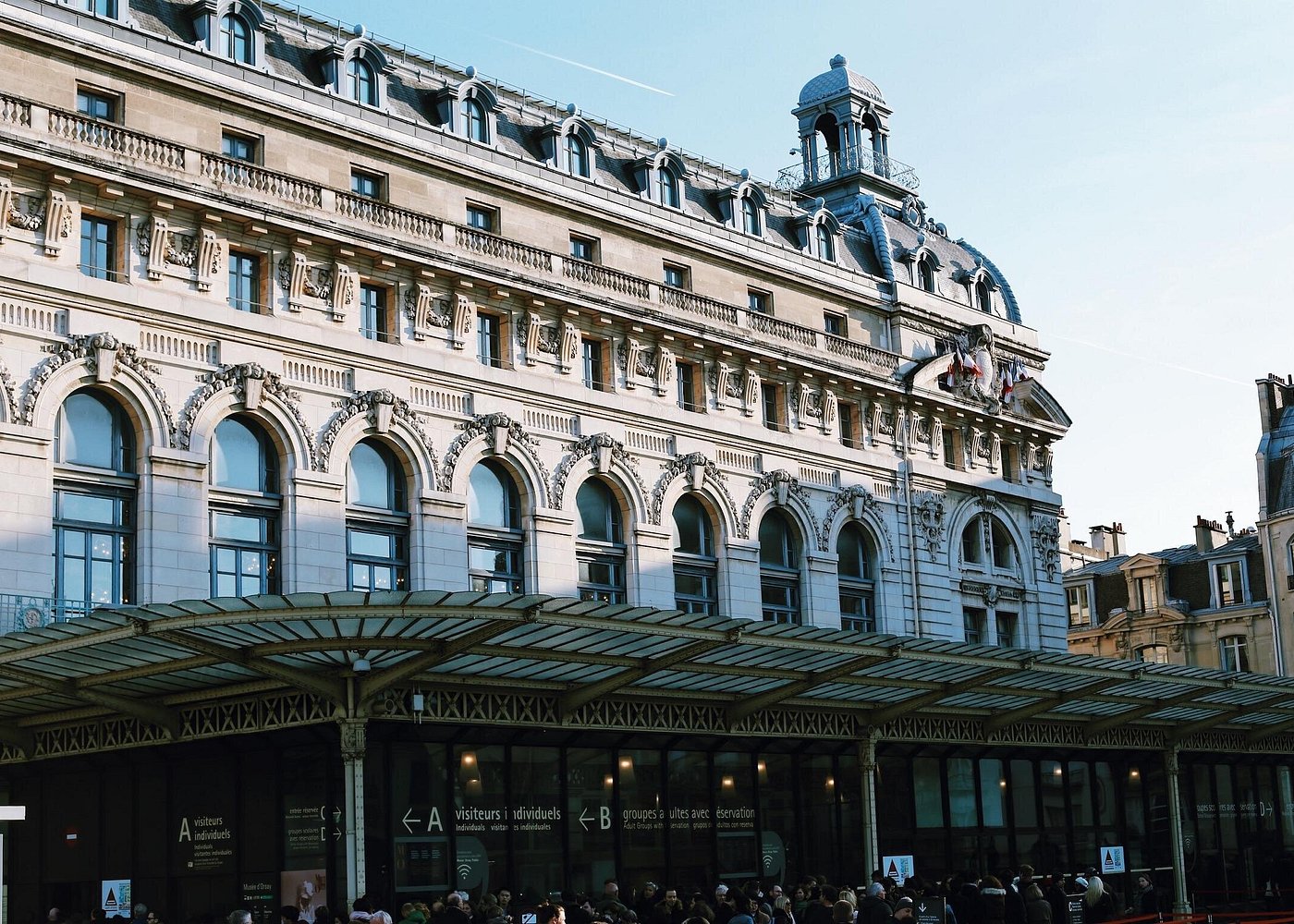
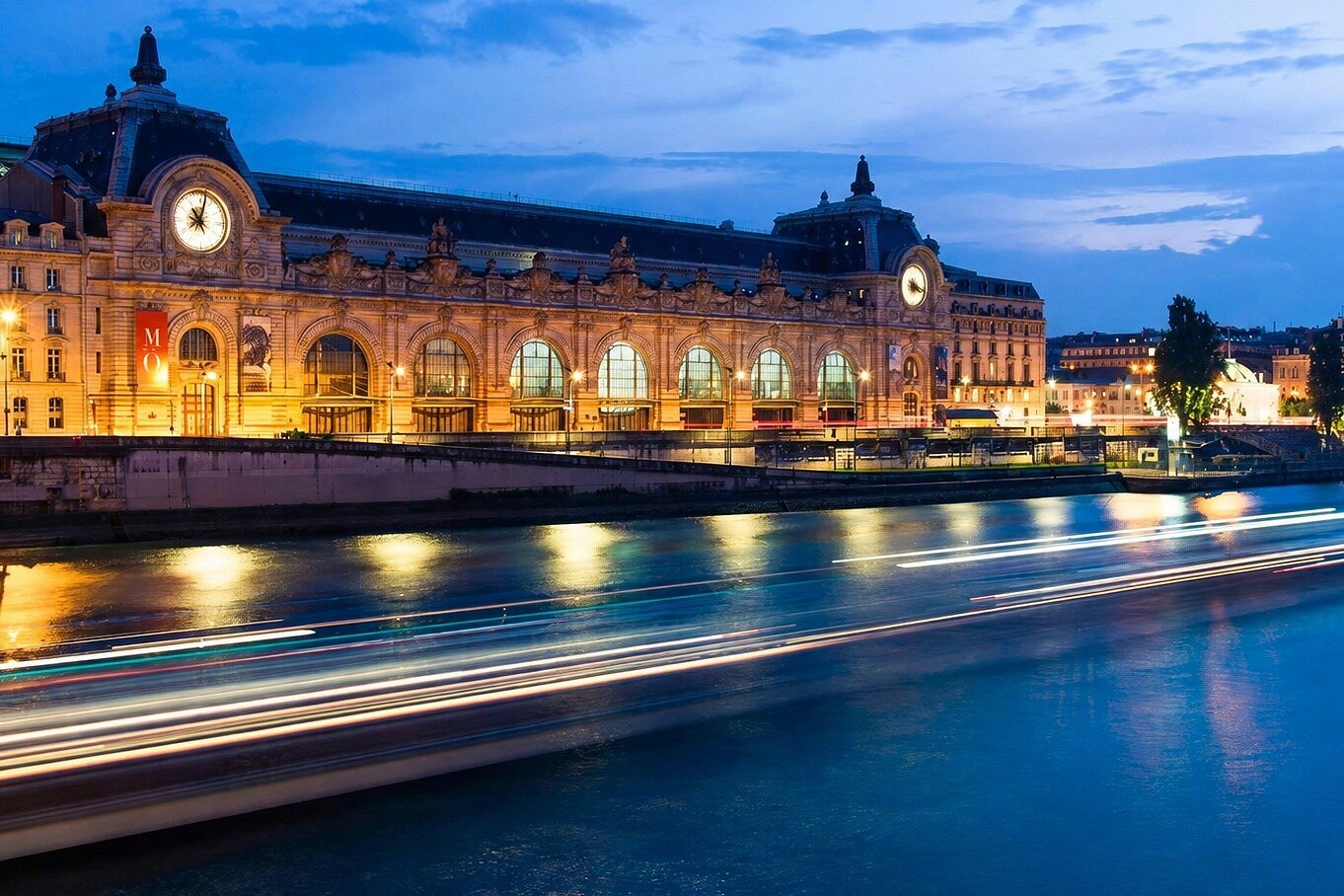
The Musée d'Orsay with Kids
The short answer
Under-18s enter free, so a family often pays only for the adults. Allow ninety minutes rather than three hours, start on the upper level, and use the clock and the sculpture nave as the anchors. It is an indoor museum with no outdoor space, so plan the visit short and finish along the river.
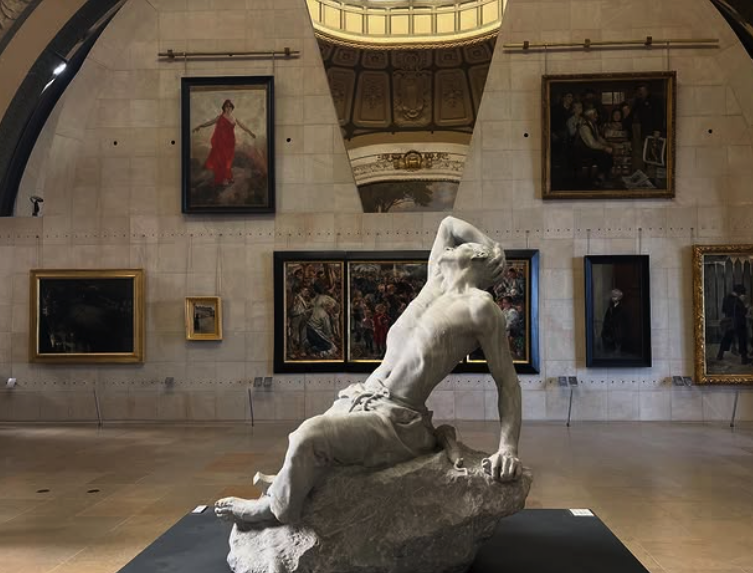
An art museum with no garden, no interactive gallery and one very famous floor is not an obvious win with children. The Musée d'Orsay is nonetheless one of the easier major museums in Paris to bring them to, for three reasons: it is smaller than the Louvre, under-18s get in free, and the building itself is genuinely interesting to a child in a way that a converted palace is not.
This guide is about making a shorter, better visit rather than a complete one. For the full practical picture see our visiting guide, and for the works themselves, Musée d'Orsay highlights.
Is it worth it?
Yes, if you plan for ninety minutes rather than an afternoon, and if you lead with the building rather than the paintings. Families in the reviews for these tours consistently report that a guide made the difference — one group ran from eleven to seventy-five years old and stayed engaged throughout, which is not the usual outcome in a gallery.
It also compares well with the obvious alternative. The Louvre is roughly ten times the size and its highlights are spread across a building that takes twenty minutes to cross. Orsay is one hall with three levels around it, and you can see where you have been from where you are standing. For a child, a museum you can hold in your head is a far better first experience than one you cannot.
The age that works best is broad. Younger children respond to the clock, the scale of the nave and the train story; older ones get something real out of the Impressionist floor, particularly if someone explains why those paintings once looked shocking. Our facts guide is a good source of material to hand them on the way in.
The money question first
Children under 18 enter free, regardless of nationality. Visitors under 26 also enter free if they are EU nationals or non-EU long-term residents, which quietly covers a lot of older teenagers on a family trip.
| Traveller | Admission | Booking still needed? |
|---|---|---|
| Child under 18 | Free | Yes — a timed slot is still required |
| Under 26, EU national or long-term resident | Free | Yes |
| Accompanying adults, up to 2, EU resident | Reduced family rate | Yes |
| Other adults | Full rate — check the official site | Yes |
Free entry does not mean walking straight in. The timed slot still applies, which is the single most common family mishap here.
What actually holds a child's attention
- The clock. Standing behind a giant glass clock face and looking out over Paris is the thing children remember. Lead with it if attention is flagging.
- The nave. A vast vaulted hall that used to have trains in it, now full of statues. The train story is the hook, and it is true.
- Degas's Little Dancer Aged Fourteen. A sculpture of a girl their own age, wearing a real fabric tutu. It surprises adults too.
- Van Gogh. The colours do the work without any explanation needed.
The honest constraints
There is no outdoor space and no play area. This is an indoor visit from start to finish, and there is no release valve inside the building. That is the real argument for keeping it to ninety minutes and finishing outside along the Seine.
Prams and strollers are accepted on most of the tours listed here, and the museum's lifts and ramps reach every floor — details on our accessibility page. One small-group tour states plainly that it does not suit travellers with walking difficulties, so read the card rather than assume.
Timing it
Arrive at opening. The first hour is the calmest of the day, and a quiet Impressionist floor is a completely different experience with a child than a crowded one. Go straight up, come down through the middle level, finish in the nave, and leave before anyone is tired rather than after.
Avoid the free first Sunday. It is the busiest day of the month, and a crowded museum with children is a poor trade for a fee you may not be paying anyway.
Food, bags and the practical middle
There is a café and a restaurant inside, both reachable step-free, and on a visit with children the café is a tool rather than a treat. Ninety minutes is easier to deliver as forty minutes, a sit-down, and thirty more than it is as one continuous march. Build the stop in before anyone asks for it.
Large bags go to the cloakroom, which is also where the museum issues free loan wheelchairs, folding seats and walking sticks against an identity document. A folding seat is worth knowing about with a younger child who cannot stand still for long but can happily sit and look.
What to do afterwards
The museum sits on the Seine directly opposite the Tuileries, which is the release valve the building itself does not have. Crossing the river to the gardens after a gallery visit works far better than trying to stretch the visit to three hours.
If the trip goes well and you want a second museum on another day, the Rodin is close by and one listing pairs the two on a single combo ticket. It is a sculpture collection with an outdoor garden, which is an easier second stop with children than another painting floor. Compare it on Musée d'Orsay Tours.
Which tour suits a family
Group size matters more than anything else here. The small-group formats capped at six travellers are far easier with children than a group of twenty, because the guide can adapt and a child can actually ask a question. Reviewers of the semi-private tour describe guides making a deliberate effort to bring children into the conversation.
A shorter tour is also better than a thorough one. Two hours is the practical ceiling. Our guided tour versus ticket comparison sets out what each format gives you, and Musée d'Orsay tours reviews shows how they run in practice.
A ninety-minute plan
- Arrive fifteen minutes before opening; clear security.
- Lift straight to the upper level. Van Gogh, Renoir, Degas.
- The clock. Photograph, and let them look.
- Down through the middle level, briefly.
- The nave, on the way out, with the train story.
- Out along the Seine before anyone has had enough.
Ninety minutes done well beats three hours endured. And if it goes better than expected, our collections guide is where to plan the return.
Family-friendly Musée d'Orsay tours
Small groups, shorter routes, and guides used to including children.
Musée d'Orsay toursTours that suit a family visit
A six-guest group that can move at your pace, and a ticket you can reschedule.